If you want to build your art collection, you should do so in an intelligent manner. This is so that everything you buy for your collection wouldn’t be considered as a waste of money. However, collecting art intelligibly would require you to master two things: good research skills and the skill of collecting.
Starting On The Thought Of Collecting
 Generally, as most people do, you’d probably have the knowledge of buying art on a piece-per-piece basis, yet still may not be thinking of plans like making multiple achievements as time passes by, or simply, building up a collection.
Although it is possible to find artworks that you like anywhere you go, and get to choose from an outstanding diversity of subject matters, mediums, and price ranges; doing so can still be confusing and intimidating, especially if you’re still starting.
Questions such as: “How exactly do you push your way through and choose which direction to make an entrance?” “How can you relate one buy to the other?”;”How should you group or organize your art?”; “Are there ways of presenting it?”; and lastly “How can you do everything in an excellent manner?”; may come play in your mind.
However, once you get these queries off you head then you’ll get to understand the real meaning of “collection”, which is the crucial case of controlled and purposeful buying.
The Great Collections
Great collectors are extensively respected and usually as popular as the artworks they collect; such as the Rockefeller collection, the Chrysler collection, and the Phillips collection, to name a few. Such collectors are famous since they demonstrate a great deal of talent when choosing and organizing their art, just like the artists themselves are in making the masterpiece. Similarly, each piece of art in one great collection orders first-class attention as well as a first-rate price not just because the piece is good, but also of the name of the company it bears.
If you wish to know more about the great collections, I suggest you have a look at Modern Art on Display: The Legacies of Six Collectors, by K. Porter Aichele.
I came across this book randomly on Amazon some time ago. I liked it the moment it reached my doorstep as it looks at art collecting in the twentieth as a complex game of finance, instinct but above all knowledge and culture. In a few words, it explores the theory that collectors of modern art in the first half of the twentieth century had more than financial means, keen instincts, and unflappable gumption: they had the ambition to learn about the art they collected.
How Great Is ‘Great’?
So how exactly do great collectors become great? Well, experts believe that it is this skill of being able to categorize specific artworks from the billions of works existing and assemble them in such a manner aiming to advance or increase other’s understanding of such particular art or of art’s evolution in general.
For any kind of mature collection, the whole thing, as a group, becomes greater than the value of the parts. Thus, the collector becomes accepted to be a respected authority in the matter and in outstanding cases continues until he’s the one that sets the standards, establishes the trends, and influences the future of art collecting for all.
This is how meaningful and influencing great art collections can be. It all starts from a single piece of art, until the whole collection itself becomes a separate artwork from its components.
If the topic of how collectors influence the value of art and how fortunes are made in the market of fine art interest you, I recommend this book: FINE ART AND HIGHT FINANCE by Clare McAndrew. This reading opened to me a massive window on what is nowadays known as ‘The Art Economy’ and enriched me with useful insights on valuation, trend and marketing in the almost impenetrable world of fine art.
The War with Iran and Oman: interview on Italian TV
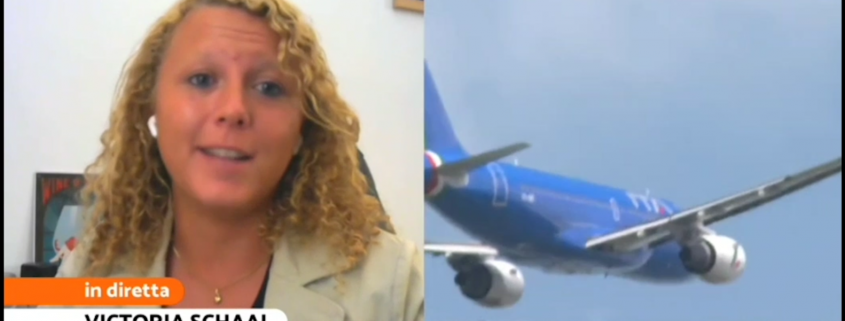
I’m pleased to share that I have regularly appeared on Diario del giorno on Italian television to discuss the impact of the ongoing conflict involving Iran on tourism in Oman.
Diario del giorno is a daily news and current affairs segment on Italy’s Rete 4, known for covering key global developments and their real‑world effects on people, economies, and industries.
In my contributions to the programme, I’ve spoken about how heightened geopolitical tensions in the region have influenced travel patterns, airline operations, and visitor confidence—especially for international markets closely connected with the Gulf. I’ve shared insights from the front lines of tourism in Oman, where national strategies and strong safety messaging continue to reassure travellers and partners alike, even as global headlines capture conflict and uncertainty.
Appearing on Italian TV has offered a valuable platform to put tourism in context—not just as an economic sector, but as a human experience that depends on trust, communication, and perspective. I’m grateful for the opportunity to bring an expert voice to international audiences on this important topic.
Below is the video from my latest appearance.
I’m at WTM London 2025!
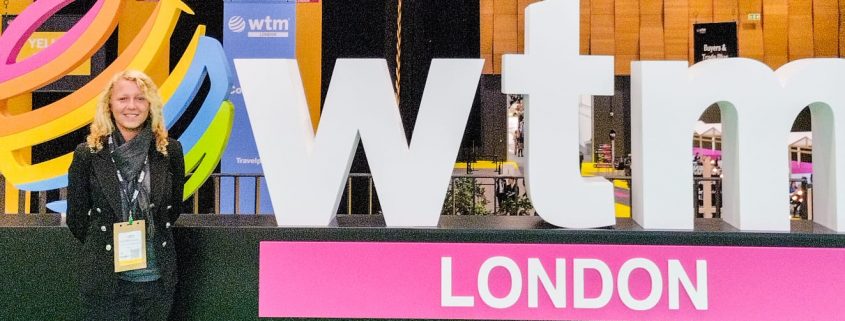
I’m at World Travel Market London 2025 right now, and the energy is something you can’t quite put into words—only feel as you walk through it.
This year is different for me. For the first time, I’m here independently, not attached to any country delegation. And that shift has completely changed the way I experience the event. There’s a sense of freedom in moving without a fixed structure—following conversations, ideas, and instincts rather than schedules. It’s more spontaneous, more real.
Every corner I turn, there’s a new language, a new culture, a new perspective. Meetings happen organically. A quick coffee turns into a meaningful discussion, and a casual introduction becomes a future collaboration. It reminds me how alive this industry really is.
But what strikes me most is the contrast. Outside these halls, the world feels tense, divided, often uncertain. And yet, in here, it’s the opposite. People from countries that don’t always see eye to eye are standing side by side, talking, laughing, doing business together. There’s no noise of conflict—just connection.
Tourism has always been powerful, but being here right now, you feel it on another level. It’s not just about destinations or numbers. It’s about people choosing to meet, to understand each other, to create something together despite everything happening globally.
Walking through the exhibition, I see pride—countries showcasing their identity, their heritage, their stories. And I see curiosity—buyers and partners eager to learn, to discover, to build bridges.
Being here independently has made me more present, more open, and more aware of what really matters. Beyond strategies and deals, this is about human connection. It’s about keeping doors open when the world sometimes feels like it’s closing them.
And standing here, in the middle of it all, one thing feels very clear: tourism is more than an industry. It’s a quiet force that continues to bring people together—even when everything else tries to pull them apart.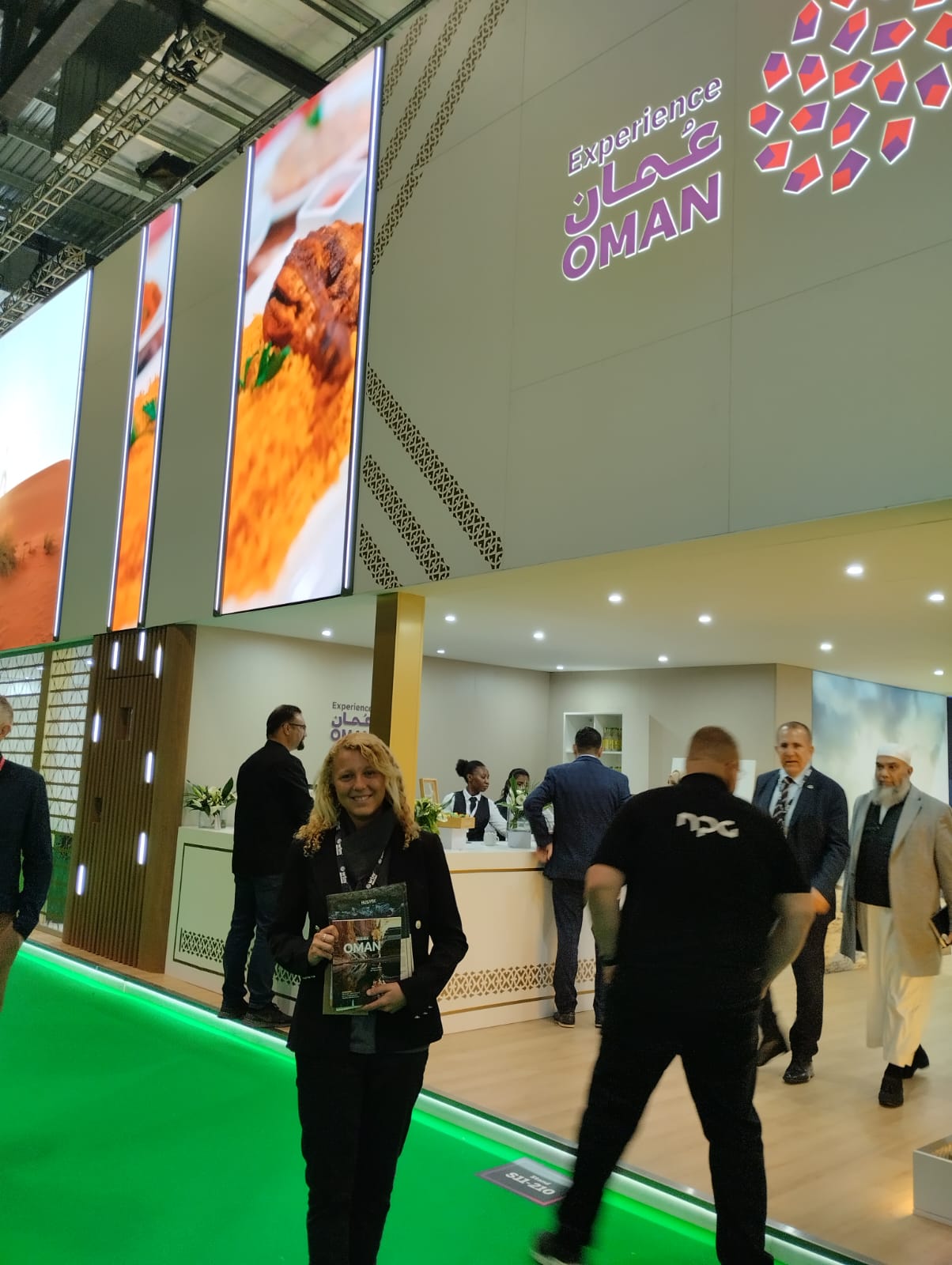
I’m in ATM Dubai 2025!
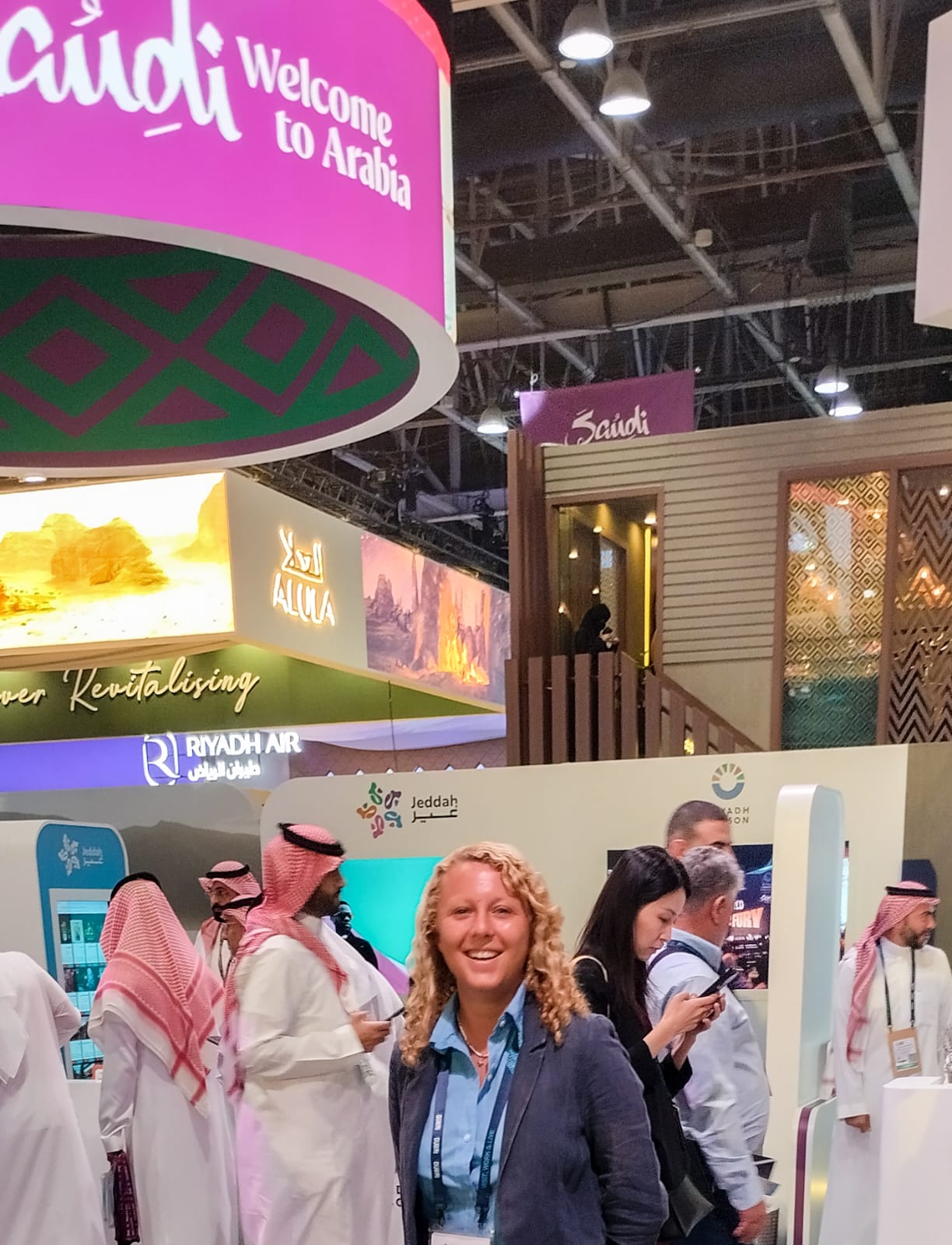
I’m at Arabian Travel Market Dubai 2025 this week, representing the Saudi delegation with our booth in their pavilion, and it’s been a fantastic experience.
ATM always has a special energy, but this year feels particularly cozy. Unlike some of the bigger, more sprawling events, the smaller scale makes it easier to connect, chat, and build meaningful relationships. There’s a sense of intimacy that allows conversations to go deeper, and for four full days—one more than usual—we have the space and time to really explore opportunities.
Of course, Dubai is as hot as ever, but that’s part of the charm! Despite the heat, the atmosphere is lively, professional, and upbeat. Walking through the halls, meeting partners from around the world, and seeing the latest in travel trends and innovations reminds me why ATM remains such an essential event in the region.
Being part of the Saudi pavilion this year is particularly rewarding. There’s pride in representing our country, sharing our vision, and welcoming international partners to discover what Saudi Arabia has to offer. Every interaction is a reminder of how dynamic the tourism industry is, and how important these gatherings are in fostering collaboration and growth.
ATM may be smaller than WTM or ITB, but that’s exactly what makes it feel more approachable and enjoyable. The four-day format gives us the chance to pace ourselves, catch up with more contacts, and really soak in the event without feeling rushed. It’s productive, it’s inspiring, and—despite the Dubai heat—it’s always fun to be here.
These moments reinforce a simple truth: tourism thrives on connection. And events like ATM aren’t just about deals—they’re about people, ideas, and building the future of travel together.