
WTM London 2026: A Look at the State of the Global Travel Industry
I recently had the pleasure of attending World Travel Market (WTM) London 2026, one of the world’s leading travel and tourism exhibitions. Every year, WTM brings together destinations, hotels, tour operators, travel agencies and tourism professionals from across the globe, offering a unique opportunity to reconnect with industry contacts, discover new opportunities and observe the direction in which international tourism is heading.
This year’s edition was particularly interesting, not only for the meetings and connections made, but also for what it revealed about the current state of the travel industry.
Reconnecting with the International Travel Community
One of the most valuable aspects of attending WTM was the opportunity to reconnect with industry contacts and meet new representatives from hotels, tourism companies and destination organisations.
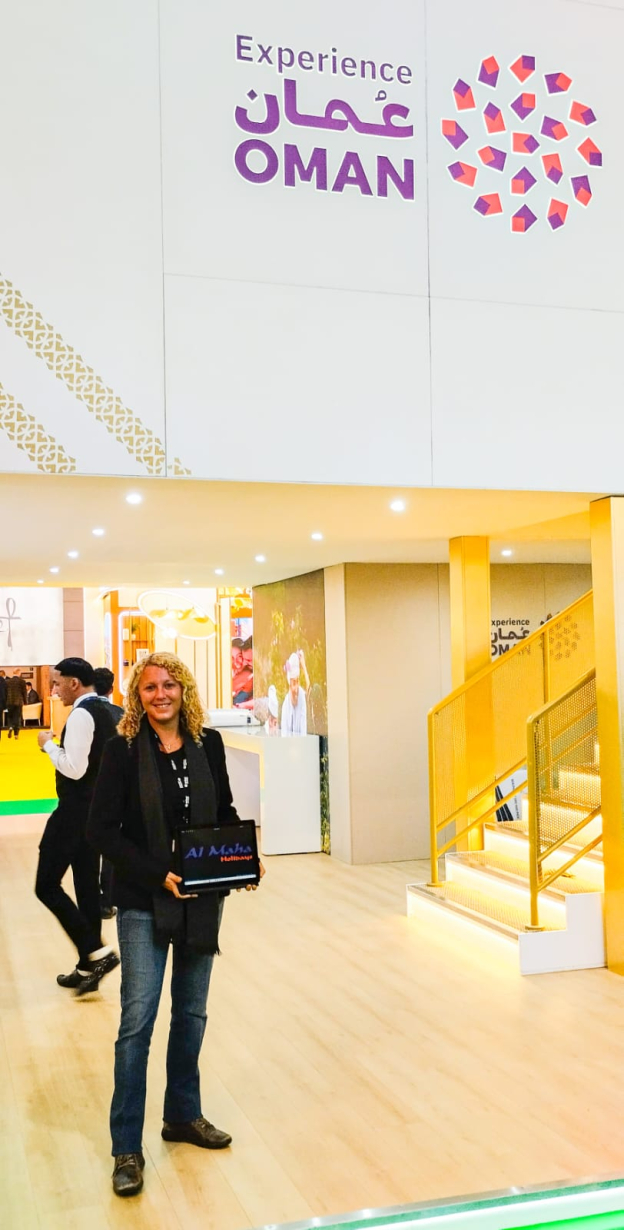
I particularly enjoyed visiting the UAE, Oman and Saudi Arabia pavilions, where I had the opportunity to exchange ideas, introduce myself to new industry professionals and explore potential opportunities for collaboration.
International exhibitions such as WTM remain important precisely because the travel industry is built on relationships. Personal encounters provide an opportunity to go beyond emails and online meetings, understand different markets and establish connections that can eventually develop into meaningful partnerships.
They are also a reminder that even well-established companies and destinations are not necessarily familiar to everyone in the international travel trade. Maintaining a visible presence and actively introducing one’s work remains essential.
A More Subdued Edition
One of the most noticeable aspects of WTM London 2026 was the lower attendance compared with previous years.
This was perhaps not entirely unexpected. The geopolitical situation in the Middle East, combined with Europe’s challenging economic climate, has inevitably affected confidence across the tourism sector. Rising living costs, increasing energy and heating expenses, and ongoing protests in several European countries have contributed to a more uncertain environment.
The general atmosphere felt less enthusiastic than in previous editions. Several industry professionals I spoke with shared this impression, suggesting that the quieter exhibition reflected broader challenges facing international tourism.
Nevertheless, a quieter exhibition does not necessarily mean fewer opportunities. In some respects, it allows more time for meaningful conversations and more focused networking.
Countries Moving in Different Directions
Another interesting observation was the difference in how individual countries approached their participation.
Italy, Morocco, Egypt and several Asian countries increased their presence, investing more visibly in promoting their destinations and tourism industries. Israel also had a stronger presence.
In contrast, France, Saudi Arabia and the UAE significantly reduced their participation compared with previous editions.
These differences offered an interesting snapshot of how countries are positioning themselves within the international tourism market, and how priorities and investment strategies can shift in response to economic and geopolitical circumstances.
The exhibition layout was also noteworthy. The Middle East occupied a particularly prominent position, almost at the centre of the exhibition space, while Europe was allocated a larger area than usual. The positioning gave the Middle Eastern destinations considerable visibility throughout the event.
Looking Beyond the Exhibition
Despite the lower attendance and more subdued atmosphere, WTM London 2026 remained a valuable experience.
Beyond the individual meetings, the exhibition offered an opportunity to observe changing market dynamics, reconnect with familiar faces and discover new possibilities for cooperation. It also highlighted the importance of maintaining an international presence, particularly during periods of uncertainty.
The travel industry is constantly evolving. Destinations compete for attention, travellers’ expectations change, and new partnerships emerge across borders. Events such as WTM provide a valuable opportunity to understand these developments firsthand.
I returned from London with new contacts, interesting conversations and a number of opportunities worth exploring further.
And, as always, one of the greatest pleasures of working in travel remains the people you meet along the way.



